
Preventing Data Harms in Canada: Investigating the Significance of Age
Project Overview:
This project is part of the Aging in Data project. We are investigating how age is connected to the range of data harms being experienced in Canada and what types of oversight and redress are needed to prevent these harms.
From increasingly elaborate scams with the help of artificial intelligence to data breaches, biased algorithms, and disinformation campaigns; older adults are increasingly exposed to unique digital risks. At the same time, younger adults are often presented as tech savvy and immune to harm. We argue that considering data harms through an intersectional lens that includes age pushes us to rethink assumptions about technology and its uses, how harms are being experienced and challenged, what transparency and accountability should look like in datafied societies and how we might move collectively toward better futures with technologies that value our interdependence and well-being. Despite recognizing that younger and older adults may encounter compounded exclusions in a digital society, discussions of age often focus on the experiences of children. This is an essential area of concern and there are key efforts being made in this area.
We want to build on considerations of data harms through an intersectional analyses of AI. We draw on intersectionality as a means to see the ways that people’s experiences with technological systems are shaped by their location within intersecting fields that can include differential and discriminatory treatment on the basis of multiple identity characteristics simultaneously such as age, race, class, gender, ability, sexuality, income, and religion. We think that prioritizing this approach provides a way to gain a fuller picture of the scope and compounded impacts of the increasing uses of automated technologies all around us. Our project involves documenting how harms are being experienced in Canada and research with younger and older adults to better understand and develop resources and strategies to prevent harm.
Goals:
Our project aims to work with younger and older adults, often the two groups most stereotyped in connection with digital technology use, to expand how we understand data harms and how we could better work together to prevent them. We have conducted media scans and document analysis to record harms that are occurring and the limits of the ways these harms are presented. We are holding workshops with younger and older adults to: 1) better understand how harm is being experienced and what prevention efforts are needed 2) to co-develop critical AI literacy tools to empower and mobilize knowledge, 3) to improve AI oversight and accountability and strengthen privacy and rights-based protections of Canadians by enhancing policy makers understanding of the range and complexity of the harms being experienced by Canadians because of uses of AI.
The Data Harms in Canada: Investigating the Significance of Age Project is affiliated with both the Starling Centre at Western University and Aging in Data (AiD), which is a research project housed in the ACT Lab at Concordia University in Montreal.
Call for Workshop Participants: Preventing Data Harms in Canada
Share your Experience with Digital Life!
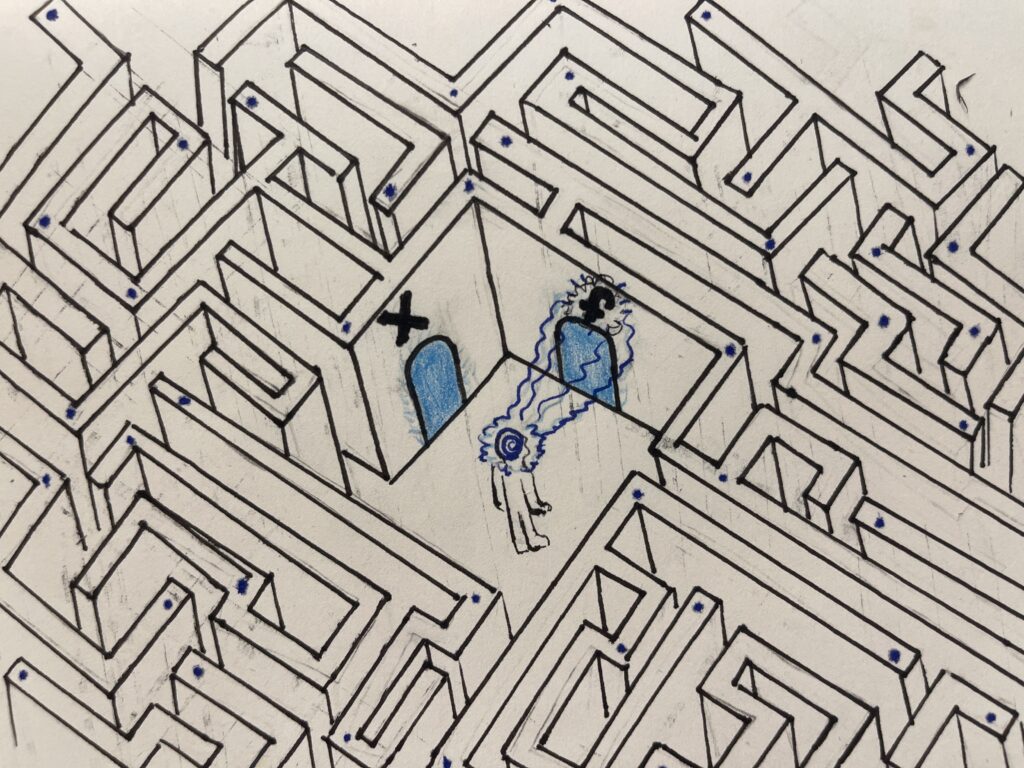
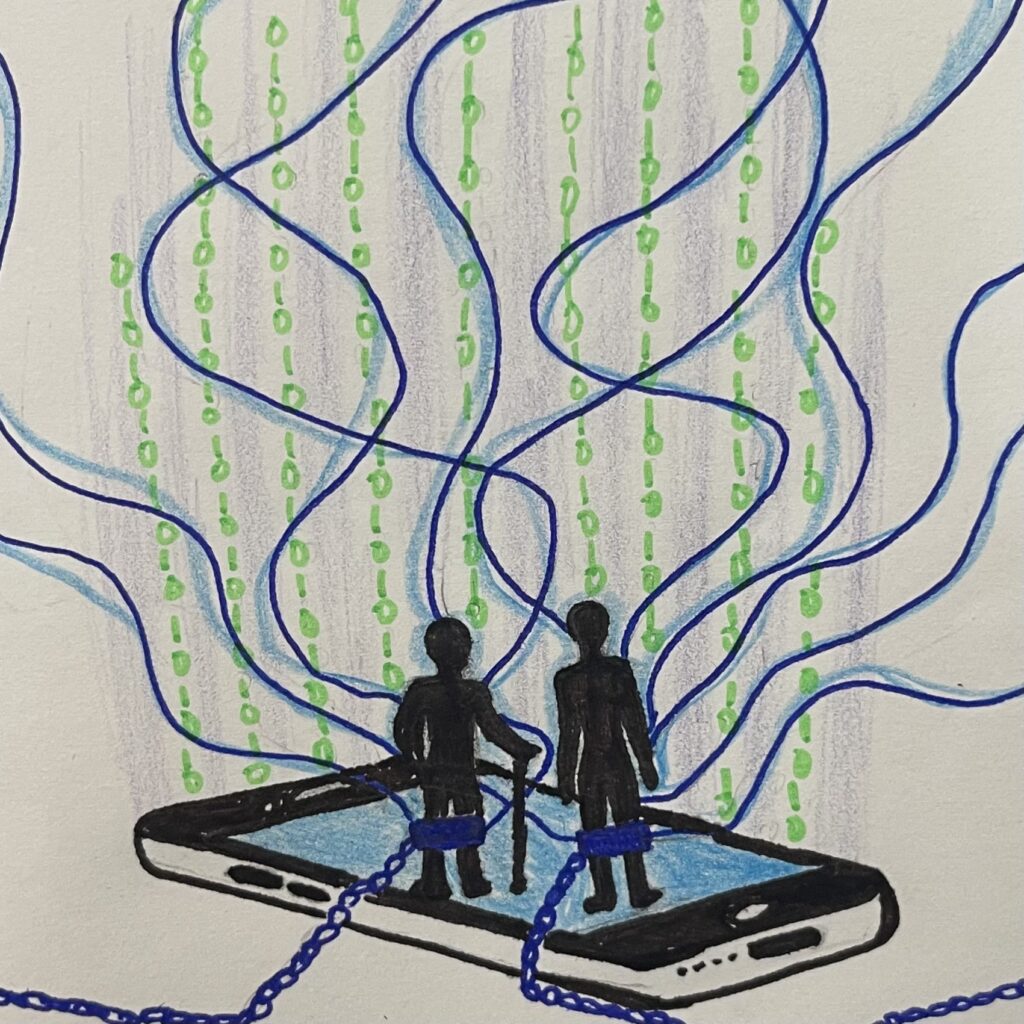
-Photo Credit: Janelle Allan
We are currently recruiting younger and older adults to participate in a series of workshops exploring how people experience data harms in everyday life. Digital technologies increasingly shape how we communicate, access information, make decisions, and navigate daily life. While these technologies can offer convenience and connection, they can also create harms related to privacy, surveillance, misinformation, scams, profiling, and emotional well-being. If you’re over 18, we’d love to hear from you about how digital technologies have affected your daily life, and what kinds of protections, resources, and supports are needed to prevent harm.
These workshops are a part of the Preventing Data Harms in Canada research project. Through guided discussions and interactive activities, participants will reflect on:
- Their everyday experiences with digital technologies.
- Concerns about harms such as privacy, surveillance, and AI from the perspective of age.
- The emotional and social impacts of digital technologies and the harms they may cause.
- How the harms that technologies cause affect age groups differently.
- What tools, policies, or supports can be made available to help prevent the harms caused by digital technologies.
No technical knowledge or expertise is needed to participate! Interested?
Workshop Structure and Activities:
Each of our workshops will take place in Weldon Library at Western University and will run approximately from 10:00 am- 4:00 pm. The day will include:
- A morning workshop session focusing on how data harms are experienced.
- An afternoon co-production workshop session where participants collaborate on a creative output (i.e., a blog, artistic output, or podcast) and discuss solutions as well as resources that may help prevent or redress the harms that technologies can cause.
Lunch and refreshments will be provided to participants.
Participants will also receive a gift card for their time and participation.
Participants will have opportunities to share their experiences and learn from others across generations. Our workshops include activities such as:
- Guided group discussions.
- Reflection and storytelling opportunities.
- Interactive exercises focusing on digital technologies and everyday life.
- Conversations about technology, age, and digital experiences.
- The opportunity to create (and have displayed on this page) a blog entry, artistic creation, or podcast series expressing your views on the harms technologies can cause and directions for prevention and redress.
Who Can Participate?
We welcome participants from all backgrounds and experiences. You must be over 18 and be fluent in English. You do not need technical or academic expertise to participate: only an interest in discussing your experiences with digital technologies. Participation is completely voluntary. Workshop discussions will be audio-recorded to support the research process. Participants who choose to participate in podcast co-production activities during the afternoon session will have the opportunity to review and provide feedback on materials before public release.
Further details about consent, recording, and privacy protections will be provided before workshops begin.
Interested in Participating?
If you would like to sign up to be a participant or learn more about our workshops, please contact:
Dr. Joanna Redden (Associate Professor) | jredden2@uwo.ca or share your email address through this online Sign-Up Form
The “Age and Algorithms” Podcast: Voices on Data Harms
A collaborative podcast with volunteers from our previous workshops. This collaborative podcast series centres participant voices and lived experiences of data harms, age, and technology. Drawing on participatory co-production, storytelling, and Lindsay Day et al.’s collaborative approach to audio production, participants helped shape these conversations from recording through to the final podcast, transforming workshop discussions into shared research outputs.
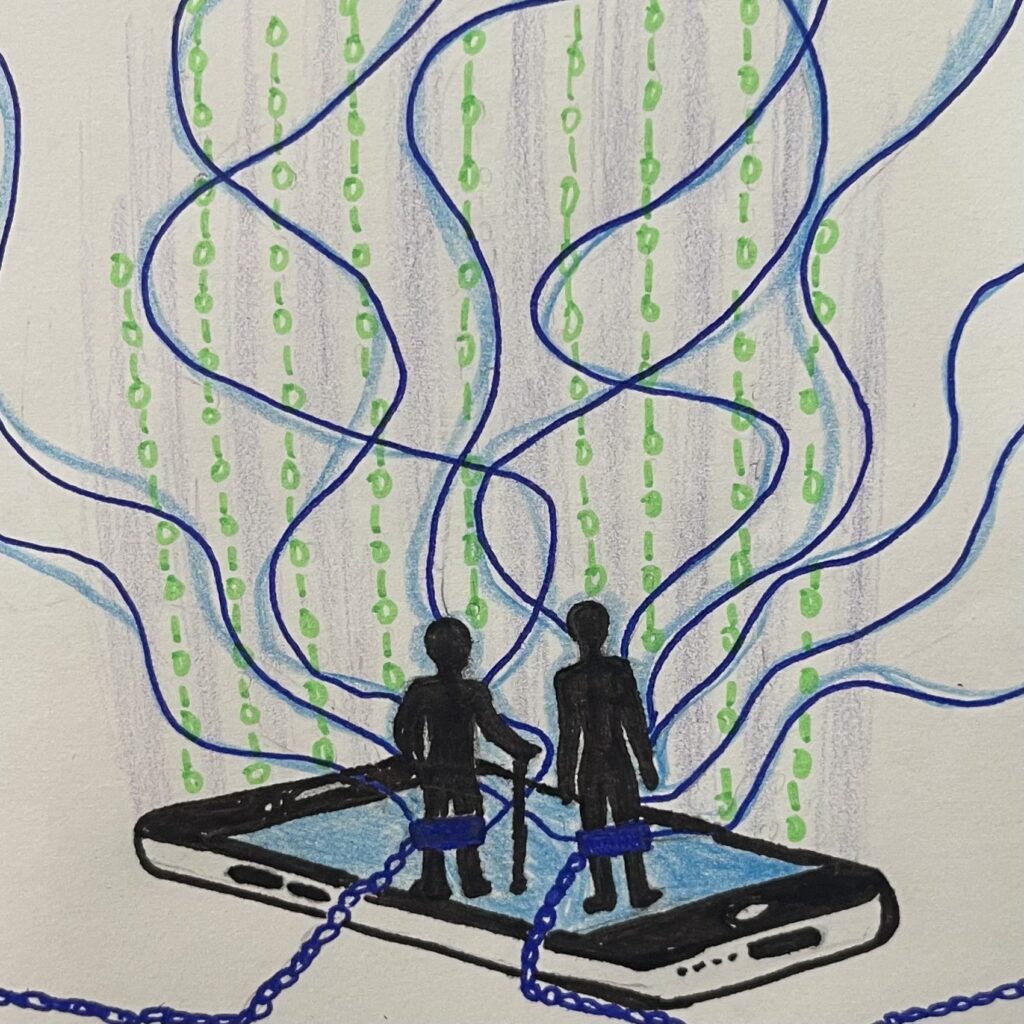
Episode 1: A Brave New (Digital) World
Eight participants from our first workshop on July 24, 2026, share stories about their experiences with technology, exploring everyday frustrations, challenges, and the ways technology shapes their lives.
Please note: This conversation includes language and terminology used by participants that may be considered outdated, insensitive, or non-inclusive today, and is presented in the context of their personal experiences and reflections.
Music Credits: Eliho “Convergence Point”; Ian Post: “Kitt vs. Karr”; Ian Post “New World”; Raz Burg “District Zero”
Episode Transcript:
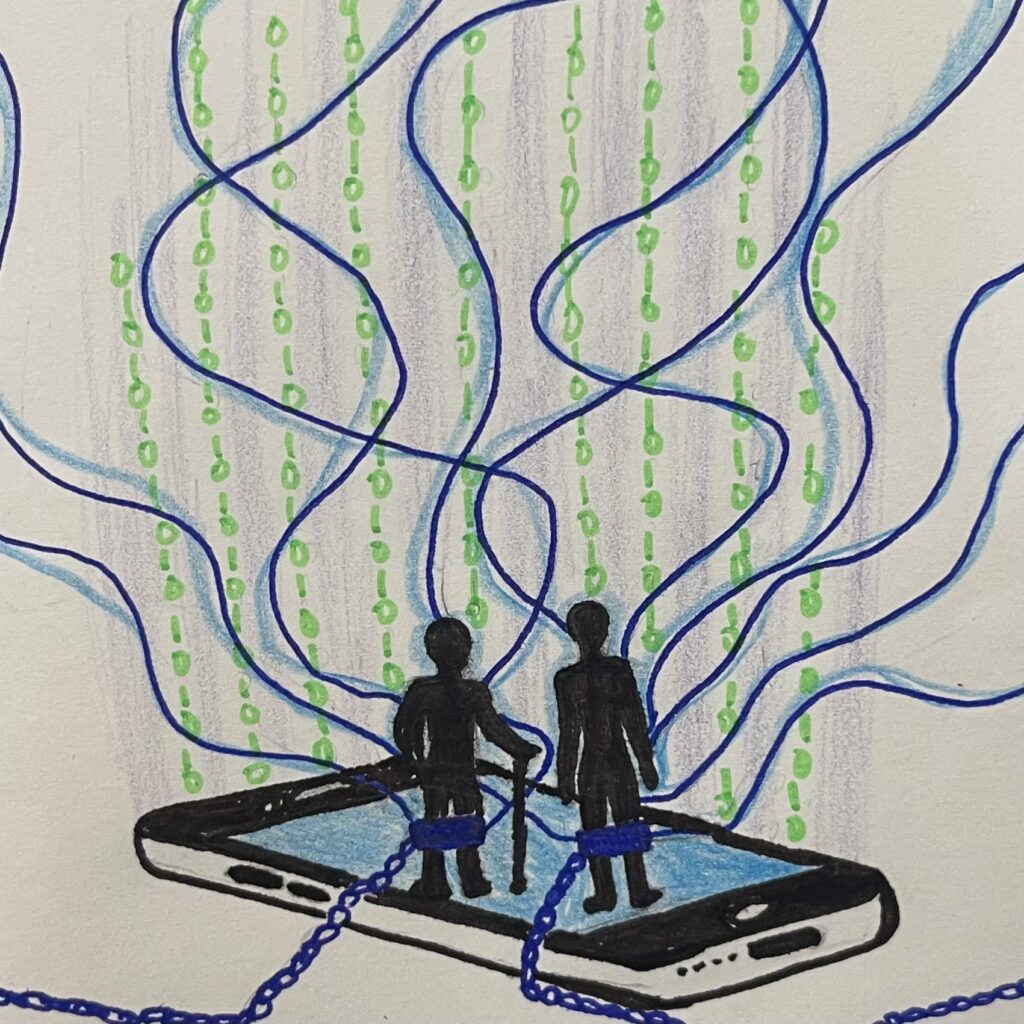
Episode 2: Debriefing Ep. 1 “Data Consciousness”
In our first debrief episode, researchers Meghan, Francis, and Janelle reflect on the first workshop featured in the first “Age and Algorithms” episode and share their observations and key themes that emerged from participants’ stories and experiences with technology.
Music Credits: Ziv Moran “Possible Light”
Episode Transcript:
Episode 3: Don’t Insult My Intelligence, I Can Write an E-mail
Three participants from the second workshop of the Preventing Data Harms in Canada Project, conducted on September 18, 2026, discuss their concerns with Big Tech, digital addiction, and debate the methods of education that could help address these issues from their individual perspectives as older and younger adults. The big questions? How do we escape or resolve addictions to technology, and how can we better educate youth and older adults about addiction-related harms?
Music Credits: Logicmoon “Toy Story”, rokzroom “Other Worlds”, and audiocoffee “Dreamscape” found on: https://freesound.org/
Episode Transcript:
What We Know So Far:
What do we know about the harms that technologies cause and age?
- Canadian media often overlooks or simplifies the digital challenges facing older adults.
- Age is treated as an afterthought, rather than a key factor in the harms caused by technologies.
- Stories of harm: phishing scams, biased health technologies, surveillance in care homes, and impacts on mental health are out there. But they’re scattered, far, and few.
- The harms that data and technologies do aren’t just material or social. They can also cause stress and anxiety in addition to other experiences.
- With the expansion of artificial intelligence technologies in everyday life, there is a growing need to identify data harms and implement preventative measures to mitigate them.
Putting Age on the Stage:
Our Scholarly Accomplishments Thus Far:
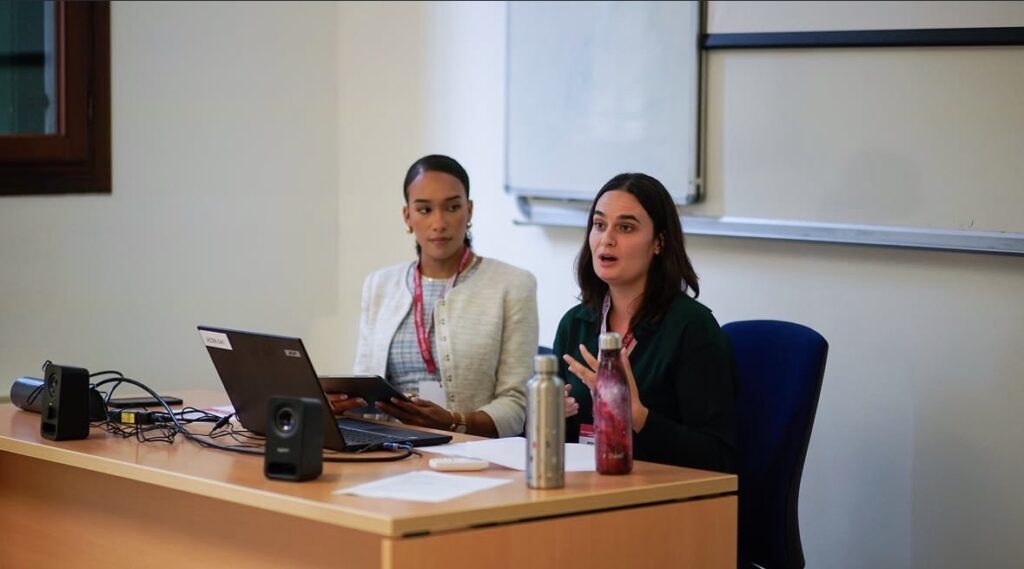
Presented: “Co-Producing Care: Navigating Data Harms with Young People in Canada” at the Digital Intimacies: Young People in Everyday Life International Conference (2025) in Padua, Italy.
From left to right:
Janelle Allan (Research Assistant, Western University)
Meghan Voll (Research Assistant, Western University)
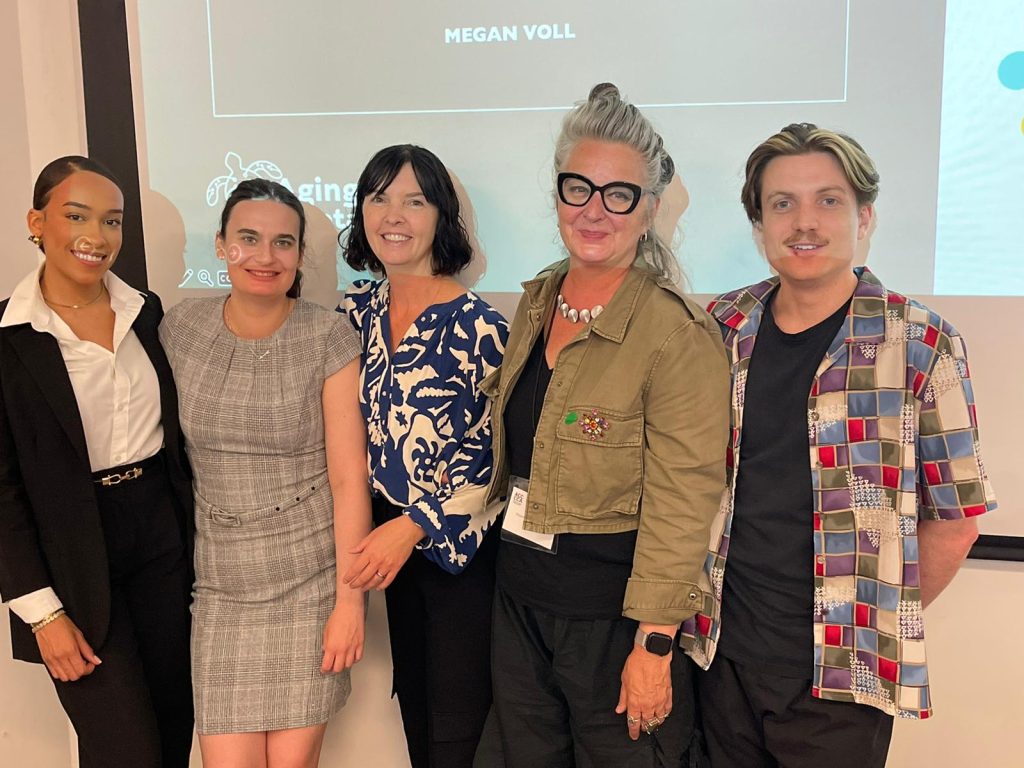
Presented: “Data Harms and the Significance of Age” at the Canadian Communications Association Conference (2024) in Montréal, Québec.
From left to right:
Janelle Allan (Research Assistant, Western University), Meghan Voll (Research Assistant, Western University), Dr. Joanna Redden (Principal Investigator, Western University), Dr. Kim Sawchuk (Principal Investigator, Concordia University), Francis Léveillé (Research Assistant, Concordia University)
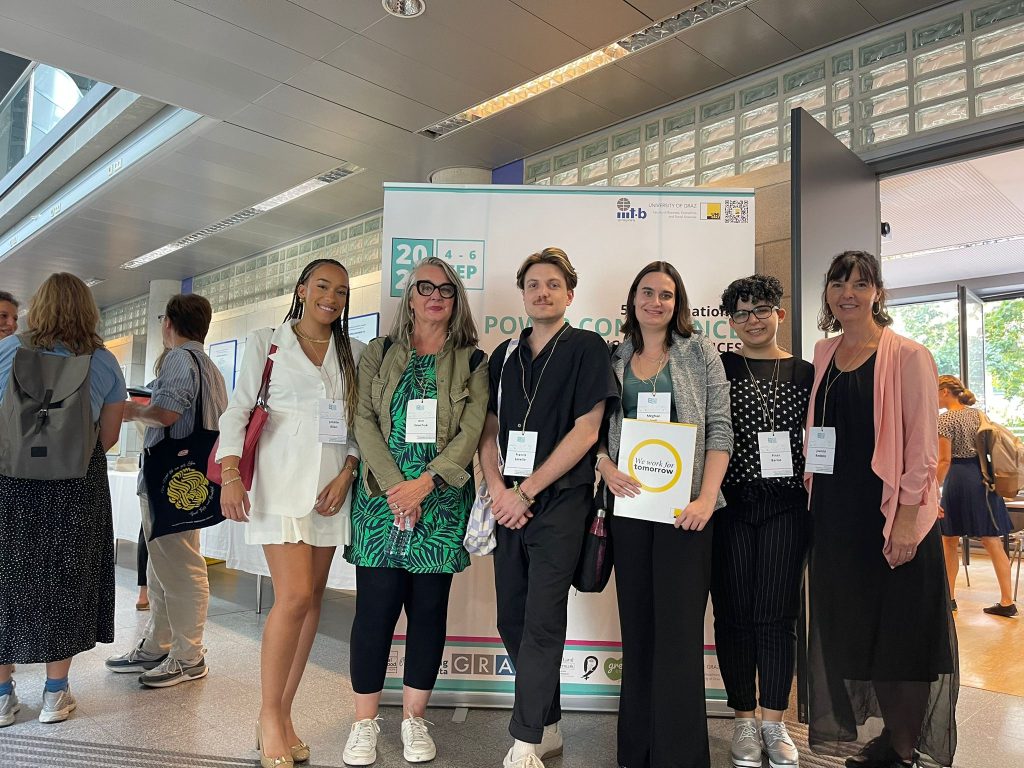
Presented: “Data Harms and the Significance of Age” at Data Power (2024) in Graz, Austria.
From left to right:
Janelle Allan (Research Assistant, Western University), Dr. Kim Sawchuk (Principal Investigator, Concordia University), Francis Léveillé (Research Assistant, Concordia University), Meghan Voll (Research Assistant, Western University), (far right) Dr. Joanna Redden (Principal Investigator, Western Univerisity)
Towards an Age-Inclusive Digital World:
Our research aims to not just identify the issues associated with age and the negative impacts of technologies. Our work hopes to bring about change in our community at the educational and policy level such as:
- Publishing evidence-based recommendations for policy-makers, educators, journalists, and more.
- Creating accessible tools that explain data harms and aging in Canada.
- Hosting workshops and other knowledge mobilization and co-production events to spark action and awareness.
- Contributing to national and international conversations about aging and data.
We’re digging into the where, how, and why older adults (but also younger ones too!) are impacted by digital systems in Canada. Our other research projects include:
- A Content Analysis of Canadian News Media: We’ve collected and analyzed over 500 examples of English and French news media to catalogue and explore how Canadian media frames data harms and to what extent age is a part of the conversation. Publications are upcoming.
- Academic Review: We’re analyzing scholarly literature to understand how researchers have so far connected aging with digital risk, bias, and exclusion.
- Artificial Intelligence and Age: We’re analyzing current examples of AI-driven harm in the media to understand how age plays a role.
Visit this page to see research updates, ongoing projects, and other resources related to data harms and aging.
Related Projects and Readings:
Our research builds on the Data Harm Record: an open-access database that documents real-world cases of data harm. Research findings have also been published as a chapter “Data Harms” in the co-authored book Data Justice.
Meet Our Team:
- Dr. Joanna Redden (Western University)
- Dr. Kim Sawchuk (Concordia University)
- Dr. Meghan Voll (Postdoctoral Fellow, Concordia University)
- Francis Léveillé (Research Assistant, Concordia University)
- Janelle Allan (Research Assistant, Western University)