
Highlights from the 2026 Canadian Repair Convention
The 2026 Canadian Repair Convention at Dalhousie University in Halifax, Nova Scotia, brought together repair advocates, policymakers, scholars, practitioners, makers, students, and community members from across Canada in May for two days of discussion, collaboration, and learning focused on the future of repair in Canada.
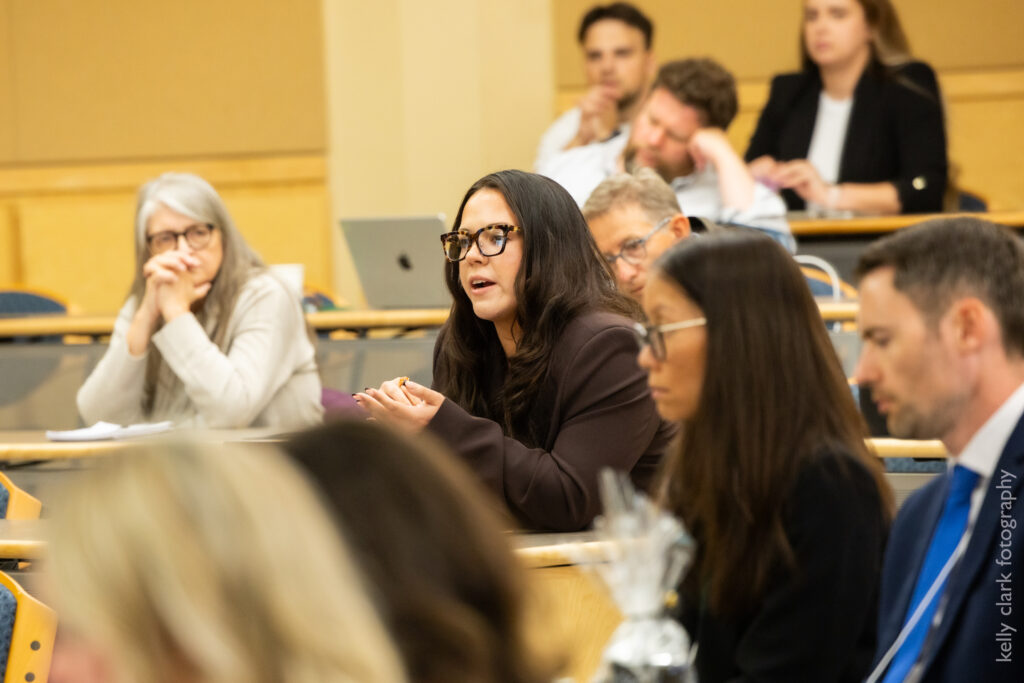
The Convention built on ongoing efforts to advance repair rights in Canada, including the work of the Starling Centre and its co-director, Dr. Alissa Centivany — a co-founder of CanRepair alongside Dr. Anthony Rosborough — whose research, advocacy, and coalition-building have helped connect stakeholders across sectors and inform emerging repair policy initiatives at the federal level.
The Convention opened with a keynote address by Brian Masse, former Member of Parliament for Windsor West, who reflected on the history and evolution of right-to-repair advocacy in Canada. His remarks highlighted the persistence and collaboration required to advance repair rights and consumer empowerment through public policy.
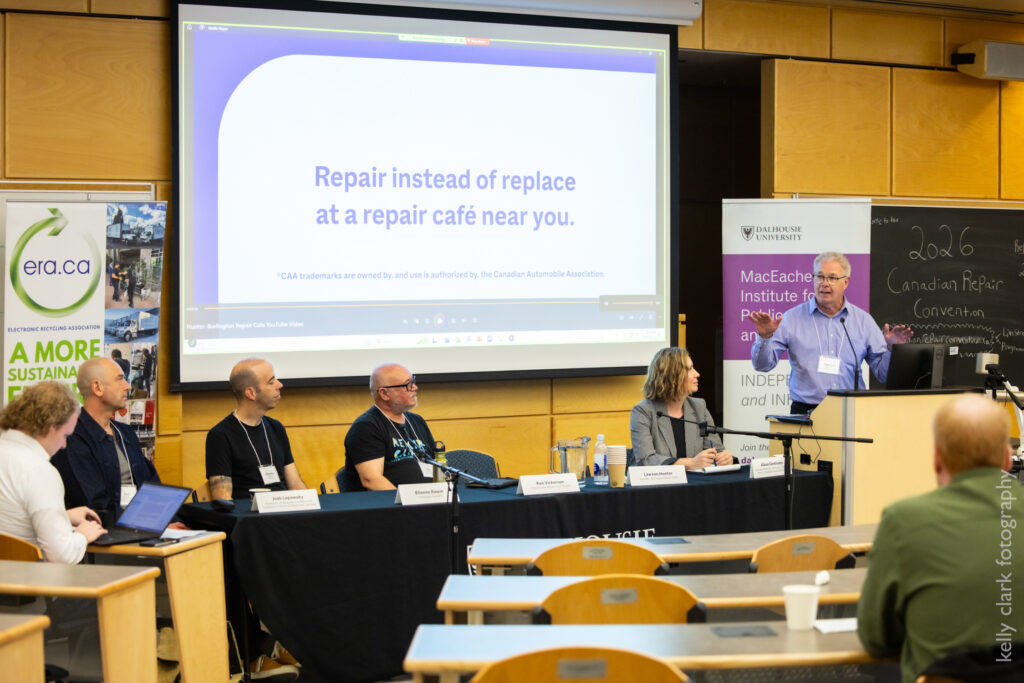
Throughout the Convention, participants engaged in a series of panel discussions examining repair from multiple perspectives. Discussions explored the relationship between repair and environmental sustainability, the economic opportunities and challenges associated with repair industries and circular economy initiatives, and the ways repair can strengthen communities through knowledge sharing, skill development, and local engagement. These conversations demonstrated the breadth of the repair movement and the many ways it contributes to a more sustainable, resilient, and equitable society.
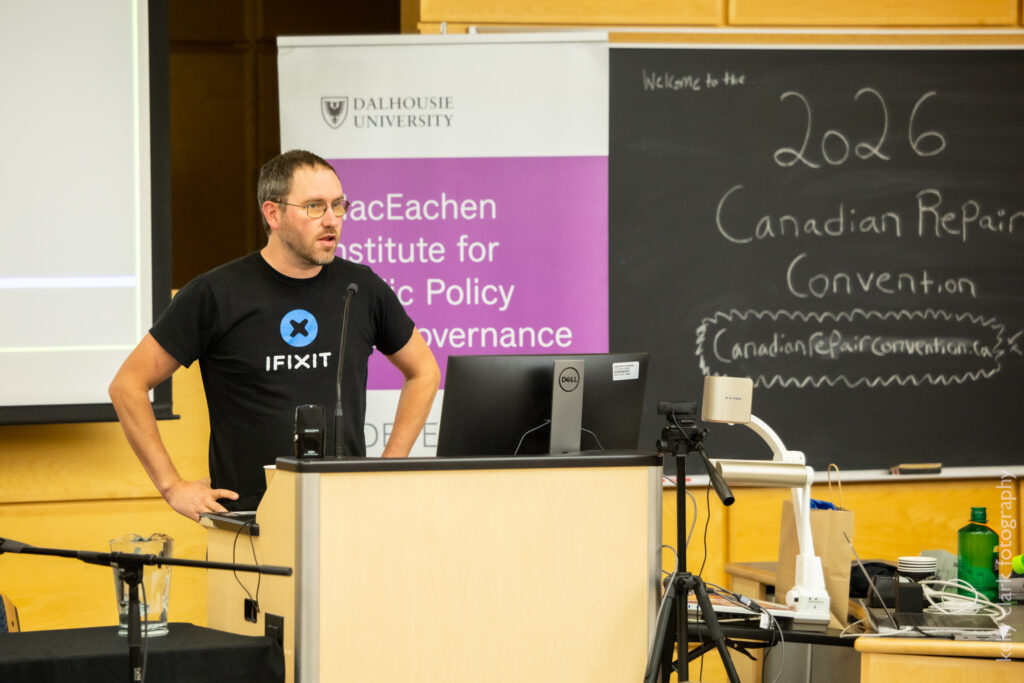
Kyle Wiens, CEO of iFixit, delivered a keynote address on the state of the international right-to-repair movement. His presentation connected Canadian efforts to a broader global landscape, showcasing recent legislative victories, ongoing advocacy campaigns, and the increasing recognition of repair as a cornerstone of sustainability, consumer empowerment, and technological independence.
In addition to the formal program, attendees had the opportunity to participate in an on-site Repair Café. Volunteer fixers worked alongside community members to examine household items, diagnose problems, and explore possible repairs. The Repair Café offered a hands-on demonstration of repair in practice, helping participants learn new skills, reduce waste, and celebrate the knowledge and community networks that keep useful products in service for longer.
Through thoughtful discussions, new collaborations, and engagement from participants across sectors, the 2026 Canadian Repair Convention reinforced the importance of repair in advancing sustainability, economic resilience, consumer choice, and community empowerment, while showcasing the diverse community working to build a stronger repair ecosystem across the country. The Convention livestream has now been archived on CanRepair’s YouTube channel.